Background:
Instituted in 1855 just one year after the DCM as a Level 2 award to reward the actions of Naval personnel in the Crimean war. Originally issued with a scroll suspension similar to the DCM, it was in fact the Meritorious Service Medal that was used but the words on the reverse ´For Meritorious Service´ had the last two words removed and Conspicuous Gallantry engraved in their place. Following the Crimean war the medal fell into dis-use but was resurrected in July 1874 for the Ashantee wars. The CGM was a military decoration awarded to personnel of the British Armed Forces (and from September 1942 to personnel of the Merchant Navy of rank equivalent to that of Petty Officer or Seaman) and formerly also to personnel of other Commonwealth countries, below commissioned rank, for conspicuous gallantry in action against the enemy at sea or in the air.
One of the rarest medals in the British honours system it was awarded extremely sparingly, only two were issued under the reign of Queen Elizabeth 2, one for the Falklands War (to an Army Warrant Officer on board a ship) and the other to a Navy Diver for actions during the first Gulf War. Only 80 awards were made in the whole of the Second World War. No longer awarded.
Design:
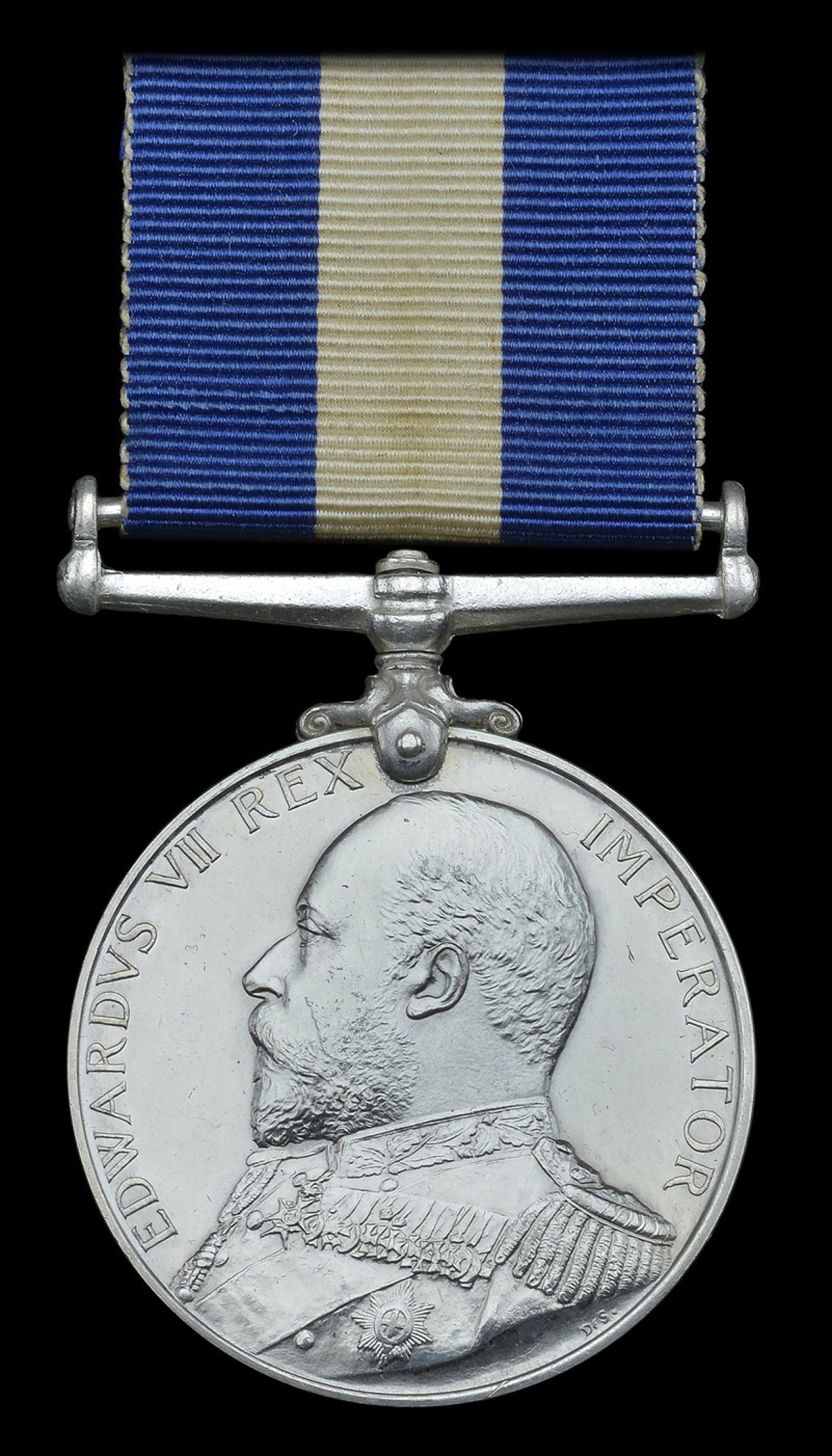
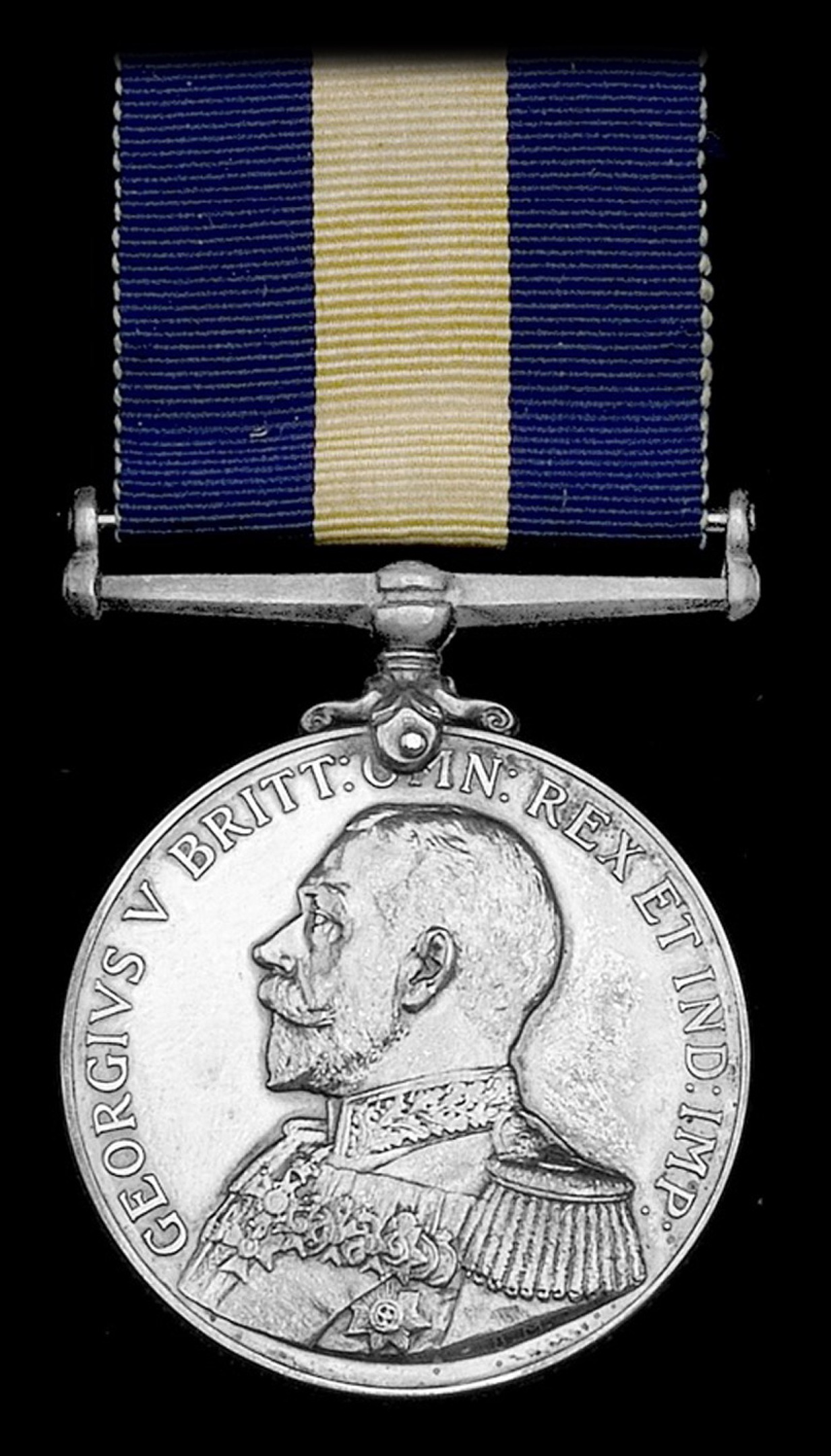
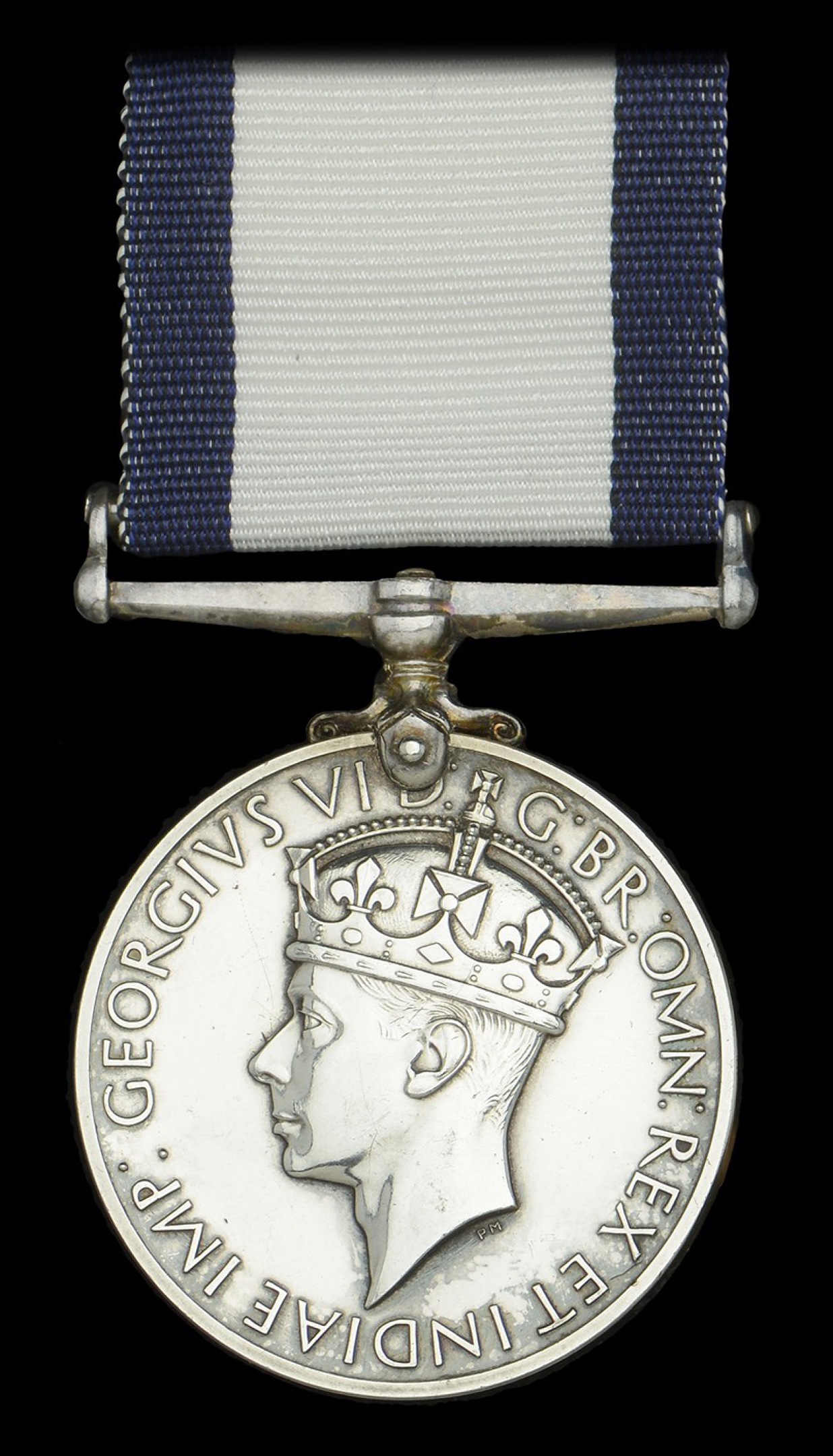
The Crimean issue utilised the dies of the Meritorious Service Medal which had the date 1848 below the truncation of the Queen’s neck on the obverse. The raised relief inscription MERITORIOUS SERVICE on the reverse was erased and the words CONSPICUOUS GALLANTRY engraved in their place. When the decoration was revived in 1874 a new obverse was designed without a date while a new die, with the entire inscription in raised relief, was employed for the reverse.
The ribbon was originally three equal stripes of blue, white, blue but this was changed in 1921 to be white with blue edges.
Bars:
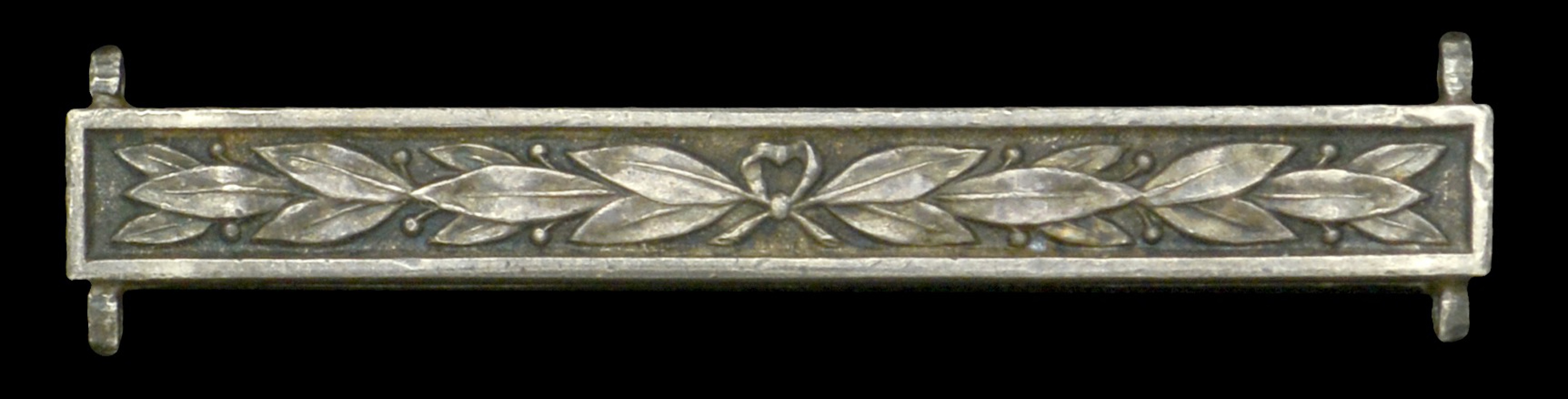
Awarded only once to A.R.Blore in 1918, his medals reside in the Naval Museum Greenwich.
.jpg)
 reverse.jpg)
.jpg)
.jpg)
.jpg)
.jpg)
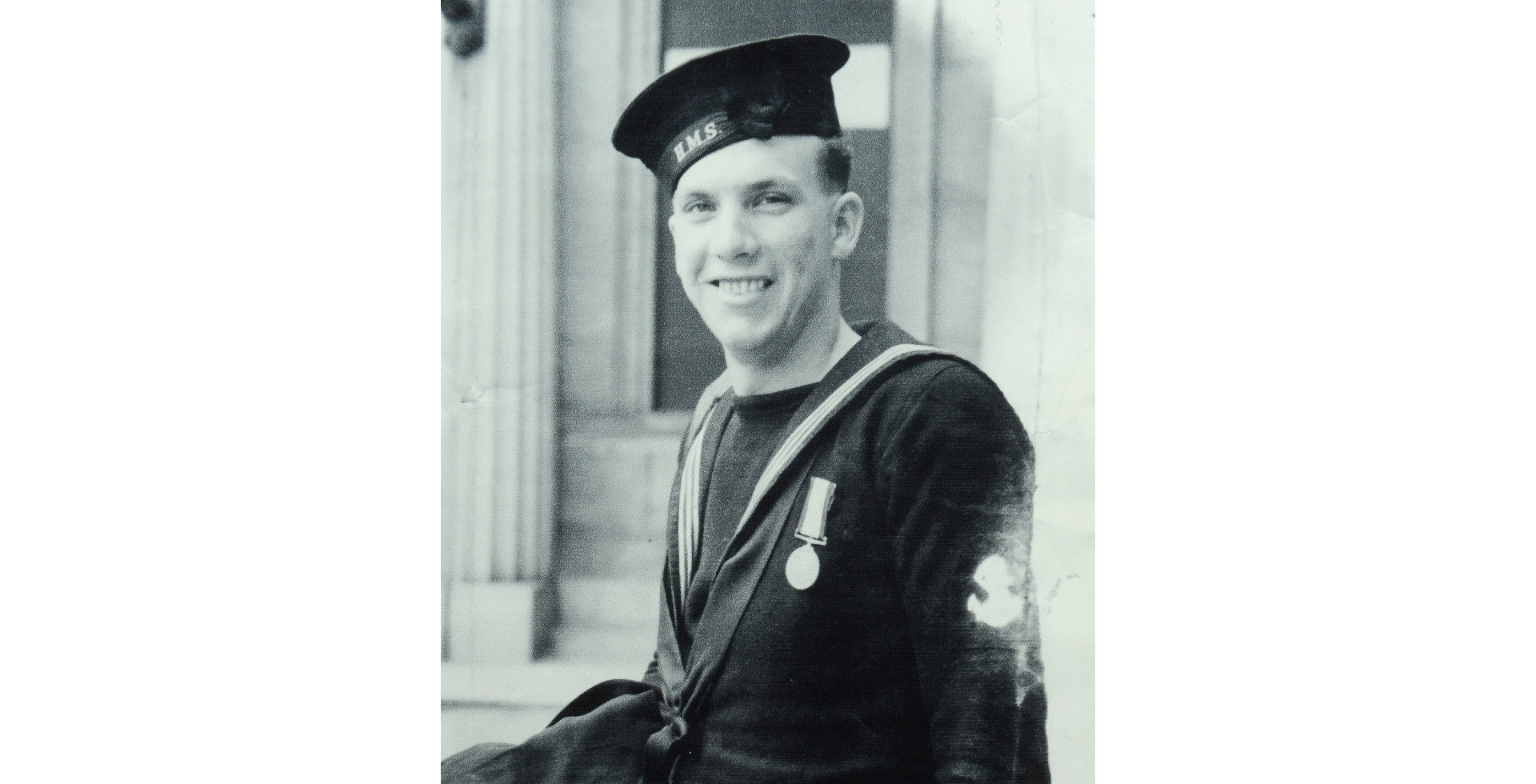 FAA/SFX.631 Naval Airman First Class Donald Arther Bunce – 825 Squadron, Fleet Air Arm